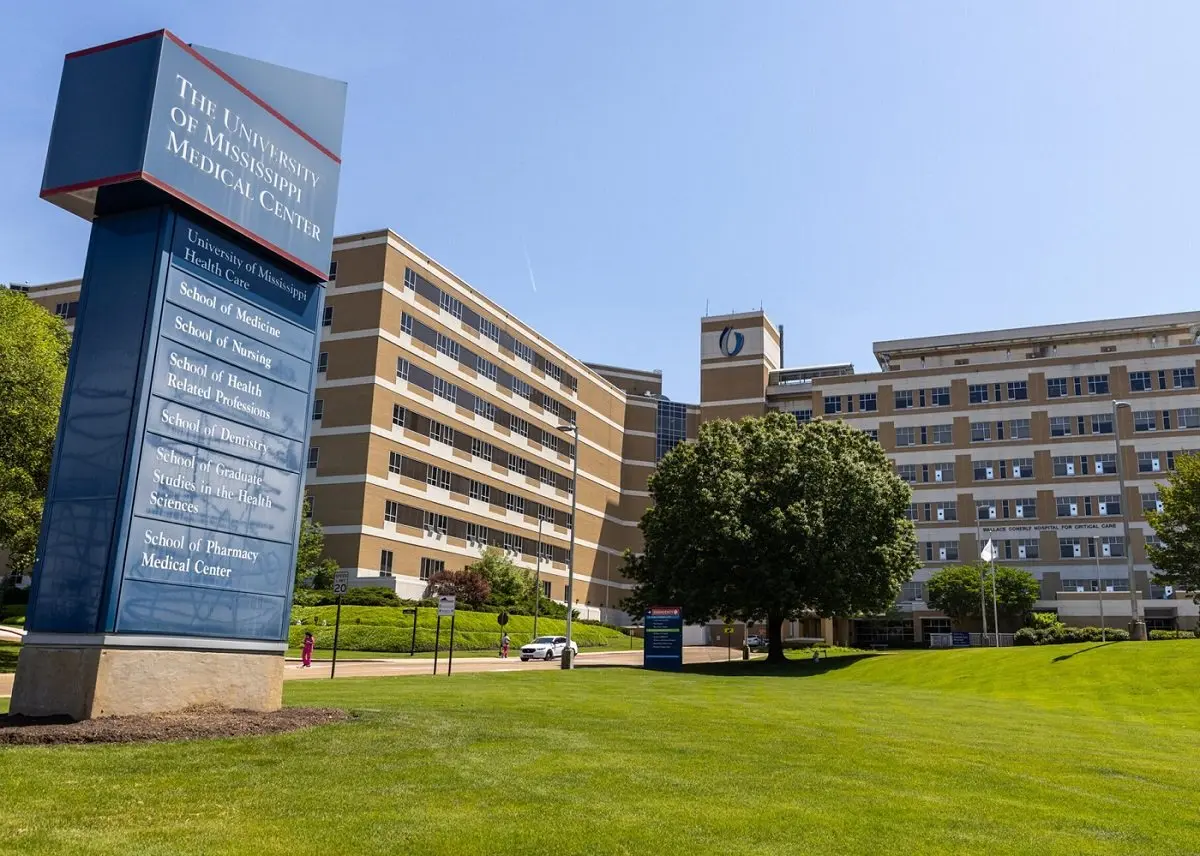
Days after the UMMC cyberattack incident, further details regarding the circumstances of the breach, the extent of the damage, and the recovery measures taken have come to light.
Reconstruction of Events: February 19, 2026
This report is based on technical logs and verified rumors regarding the cyberattack.
Phase 1: Silent Infiltration (The Pre-Dawn Hours)It all began with a highly sophisticated phishing email.
- 02:00 AM: An administrative staff member on the night shift received an email titled "Urgent Update: 2026 Insurance Protocols." Clicking the link deployed a small Trojan into the system.
- 02:00 AM – 06:00 AM: The attackers moved laterally through the network. They hunted for "bigger fish"—administrative privileges (Admin) aimed at disabling antivirus software and security tripwires.
- 07:15 AM: The first symptoms appeared. Nurses in the Intensive Care Unit (ICU) noticed the Epic (Electronic Health Records) system becoming sluggish and experiencing frequent disconnects.
- 08:00 AM: The catastrophe peaked. Computer systems across the university and hospital suddenly rebooted. Upon restarting, instead of the login screen, a short text appeared on a black background: "All your files have been encrypted. To recover them, you must contact us."
- 08:30 AM: Code Red was declared. The IT department realized they were facing a massive ransomware attack. A physical directive was issued: "Pull all network cables and shut down the Wi-Fi immediately!"
09:00 AM – 12:00 PM: The hospital entered "Downtime Mode."
- Surgeries: Non-emergency surgeries were canceled as surgeons lost access to radiology images and critical patient allergy records.
- Diversion: Ambulances were barred from admitting new patients and were rerouted to neighboring hospitals.
- Pharmacy: The pharmacy department was paralyzed; the system could no longer verify or cross-reference medication dosages.
- Late Afternoon: The "destructive" phase of the attack concluded. The hackers had achieved their objective: the data was encrypted, and they held the decryption keys.
- 05:00 PM: External security teams and the FBI arrived on-site. The attackers had exited the network, leaving behind a "digital deadlock." They no longer needed access; they were simply waiting for the ransom negotiations to begin.
- 10:30 PM (Feb 21): A senior executive received a direct telephone call. This chilling contact demonstrated the attackers' total surveillance of university officials' private and personal information.
Crisis in Vital Arteries: The Catastrophic Scale of the Recent Cyberattack
The recent cyberattack, far beyond a simple digital disruption, has targeted critical healthcare infrastructure, resulting in extensive and irreparable damage across various sectors. An analysis of the incident reveals a full-scale crisis in clinical service management and data security:
1. Paralysis of Critical and Clinical Care
The loss of access to the comprehensive Epic system has left physicians in an "information blackout." The inability to access vital records—such as drug allergies, blood types, and patient medical histories—has drastically increased the risk of medical errors. This disruption has forced the postponement of hundreds of elective surgeries and halted sensitive procedures in radiotherapy and chemotherapy, which rely on precise, computer-driven calculations.
2. Threat to the "Golden Hour" in Triage
The hospital’s declaration of Diversion status was one of the most dangerous consequences of this attack. Rerouting ambulances carrying emergency patients—including victims of heart attacks and road accidents—to more distant facilities has effectively jeopardized the "Golden Hour" critical for saving lives.
3. Mass Data Leakage in the Dark Web
The scale of data theft in this attack is staggering. Reports indicate that:
- Personally Identifiable Information (PII): Social Security Numbers (SSNs), addresses, and insurance details of thousands of employees and students have been exfiltrated and listed for sale on Dark Web black markets.
- Protected Health Information (PHI): The medical records of 70,000 to 100,000 patients have been exposed, creating a fertile ground for future ransom attempts and extortion against patients.
4. Compromised Hardware Infrastructure
At the network level, the technical disaster is immense. More than 5,000 clients and servers have been directly infected. Technical teams now face the monumental challenge of sanitizing, recovering, and, in many cases, completely replacing this equipment.
Recovery Outlook: Experts predict that, given the volume of damage, a full return to normal operations and network stability will take between 2 to 4 weeks.
Autopsy of the Perpetrators: From Cyber-Cartels to the Telephonic Ultimatum
As the "digital debris" is cleared from infected networks, security analysts have pointed the finger at professional threat actors operating within the Dark Web. While diplomatic tensions often cast the shadow of "state-sponsored hackers" over such incidents, technical evidence and the "theft-for-ransom" pattern strongly reinforce the scenario involving Russian-speaking cyber-cartels.
1. Primary Suspects: Shadow Actors Of The Incident
- LockBit 4.0 Cartel: Following a structural reorganization in 2025, this group has evolved into the world's most formidable ransomware-as-a-service machine.
- Qilin Group: This Russian-speaking collective, which organized brutal attacks against Western healthcare centers in early 2026, recognizes no "ethical red lines."
- BlackCat / ALPHV Alliance: Master of targeted phishing operations against administrative staff.
- Emerging "Shadow Groups": Veteran hackers possessing deep knowledge of specific network architectures.
2. Midnight Ultimatum: A Dramatic Shift in the Case
The turning point of this crisis occurred 48 hours after the initial breach: a direct telephone call. At 10:30 PM on February 21, 2026, the mobile phone of a senior executive rang—a call that demonstrated the attackers' total surveillance of university officials' private information.
- Deception Technology: Use of untraceable VoIP and AI Voice Changers.
- Proof of Life: A Dark Web link containing sensitive records of VIP patients and faculty members.
- Massive Ransom: A demand of $15 million USD to be paid in Monero.
- The 72-Hour Countdown: Threats to leak data of 100,000 patients publicly if the ransom is not paid.
Aftershocks of the Data Breach: A Guide to Identity Protection
With the extensive leak from UMMC databases now confirmed, the silent victims—patients, students, and staff—must take immediate action.
1. Erecting a Defense Against Credit Fraud
- Credit Freeze: Contact Equifax, Experian, and TransUnion.
- Bank Monitoring: Audit transactions daily for suspicious "micro-transactions."
2. Spear-Phishing: Sophisticated Traps Ahead
- SMS and Email Deception: Beware of messages claiming "Reactivation of UMMC Patient Portal."
- Phone Scams (Vishing): Fraudsters posing as insurance agents reciting your medical history.
- The Golden Rule: Never reveal sensitive information via incoming calls.
3. Fortifying Your Digital Armor
- Password Reset: Change credentials immediately.
- MFA/2FA: Enable authentication apps like Google Authenticator.
4. Monitoring "Medical Identity"
Carefully scrutinize the Explanation of Benefits (EOB) statements. Any unrecognized medical services are a definitive red flag for medical identity theft.
If you detect suspicious activity, file a report at IdentityTheft.gov.