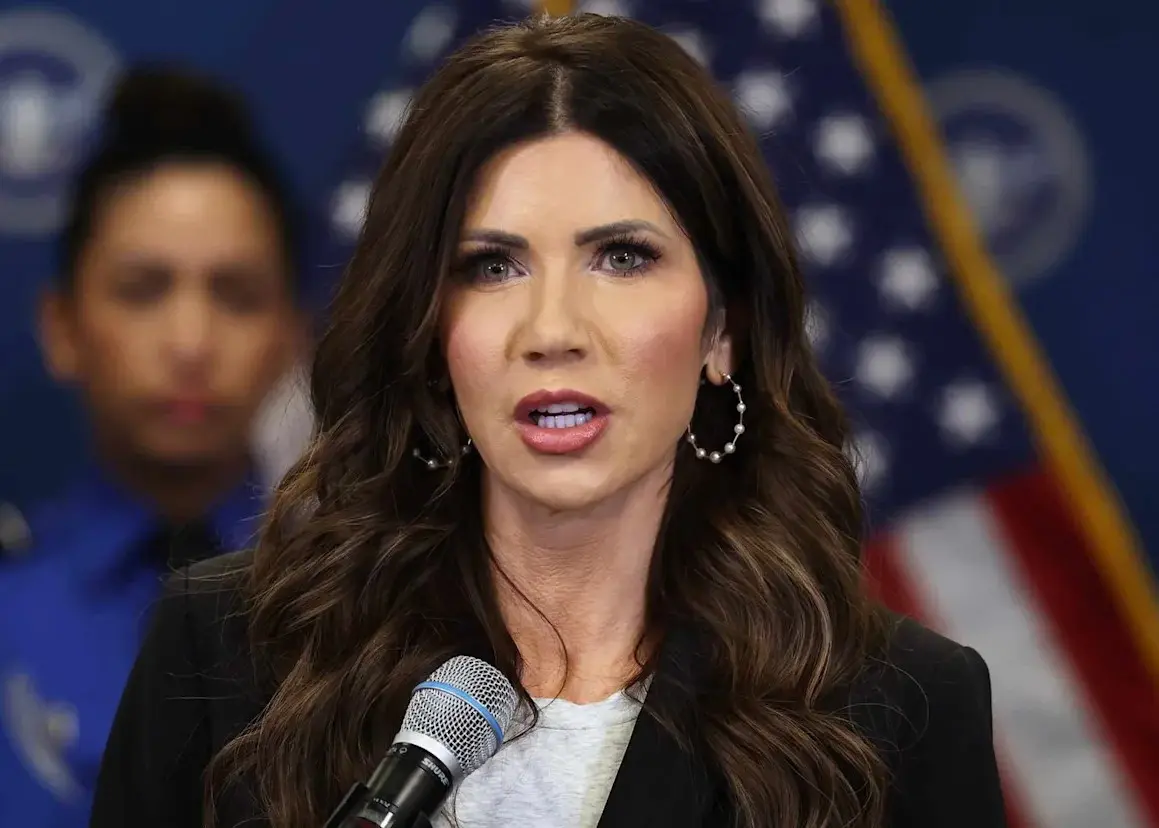
The dismissal of Kristi Noem and the nomination of Senator Markwayne Mullin signals a shift from political theater to mission-driven leadership at one of the nation’s most critical agencies.
The Departure: When Optics Overtake Operations
President Trump’s decision to remove Kristi Noem as Secretary of Homeland Security was, by most accounts in Washington, overdue. The immediate trigger was a $220 million advertising campaign that prominently featured Noem’s image — a expenditure that raised serious questions about the use of government resources for personal brand-building. When Noem testified before the Senate Judiciary Committee and suggested that Trump himself had personally approved the spending, the relationship reached a breaking point. The President flatly denied the claim.
But the advertising controversy was only the most visible symptom of a deeper problem. The Department of Homeland Security is not a platform. It is an operational agency responsible for border enforcement, immigration law, counterterrorism, and disaster response. Running it requires a leader who treats the mission as the headline — not the other way around. By that standard, Noem’s tenure struggled to find its footing.
The agency also faced intense scrutiny over the deaths of two civilians in January at the hands of immigration enforcement officers. While immigration enforcement involves inherent risks and difficult decisions, the episode added to the perception that DHS needed steadier, more experienced hands at the wheel.
The Replacement: A Hawk with a Record
Senator Markwayne Mullin of Oklahoma is a different kind of appointment. A two-term senator with a reputation as one of the chamber’s most uncompromising voices on illegal immigration, Mullin is not a newcomer to the policy debates that define DHS. He has consistently advocated for rigorous border enforcement, expanded deportation operations, and holding immigration agencies accountable to their core mandate.
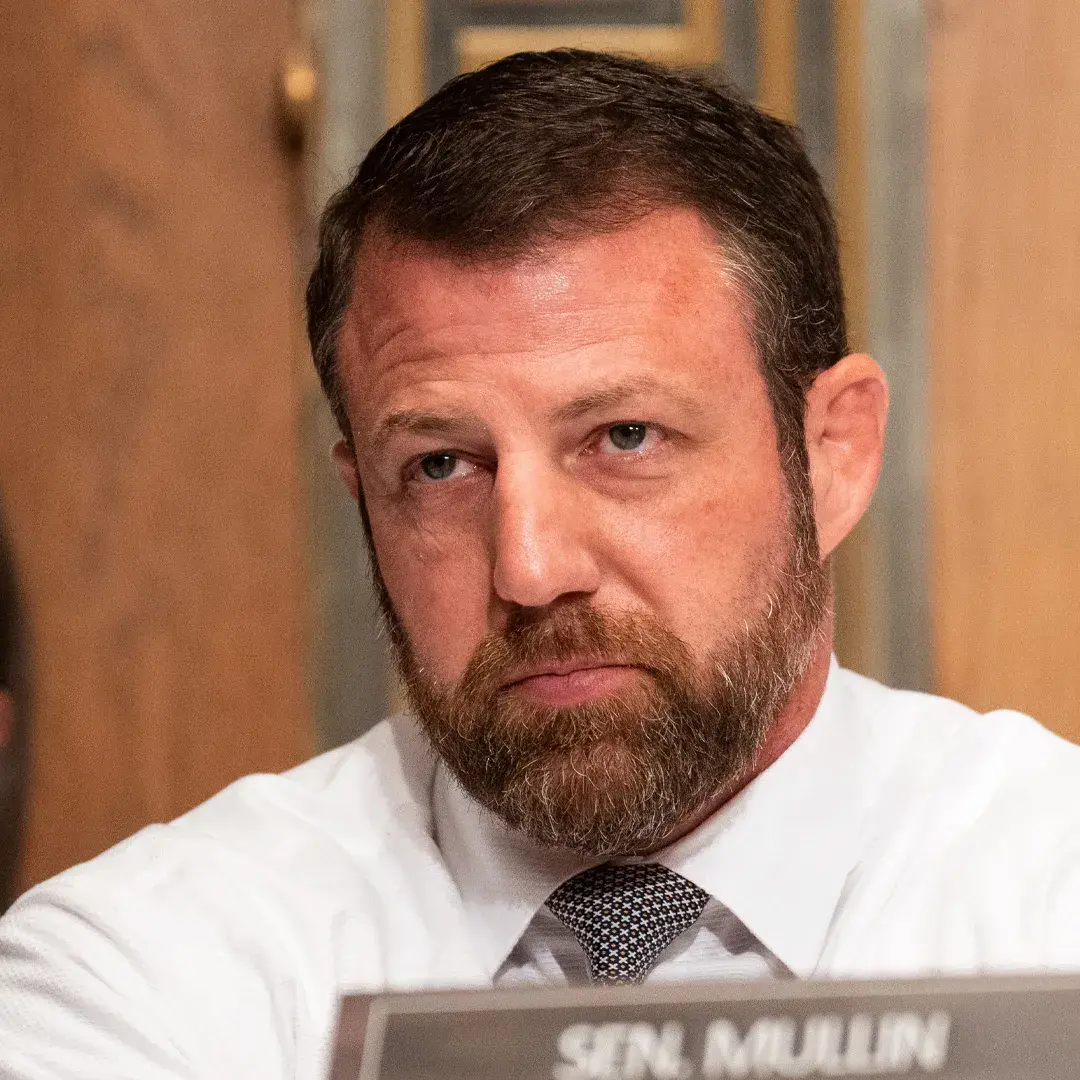
What makes Mullin’s nomination particularly significant is the breadth of support it has attracted. Republican lawmakers welcomed the pick enthusiastically — Representative Russell Fry called him “a great senator” and a natural fit for the role. But more striking is the reaction from across the aisle. Senator John Fetterman, a Democrat, described the nomination as a “nice upgrade” over Noem and suggested Mullin has the votes to be confirmed. That kind of bipartisan acknowledgment is rare in today’s Washington, and it speaks to Mullin’s reputation as someone who delivers results rather than headlines.
Analysts who track immigration policy describe Mullin as a “hawk” in the truest sense: focused on execution, not performance. In an agency that has been pulled in multiple directions by political pressures, that orientation could prove to be exactly what DHS needs to regain operational credibility.
The Structural Shift: From Visibility to Accountability
Beyond the personnel change, the broader reshuffle reflects a deliberate recalibration of how the administration intends to manage its most politically sensitive portfolio. Noem will not disappear from the picture entirely — Trump has appointed her as Special Envoy to the Shield of the Americas coalition, a new initiative focused on security cooperation with Latin American partners. It is a role that plays to her strengths as a communicator while removing her from the daily pressures of agency management.
The move is strategically sound. It preserves a loyal ally within the administration’s orbit while placing someone with harder operational credentials in charge of domestic enforcement. For a White House that has made border security the cornerstone of its domestic agenda, the symbolism is clear: the administration is serious enough about immigration enforcement to put a proven legislator — not a media personality — in charge of carrying it out.
Democratic lawmakers, predictably, have offered a mixed response. Some, like Representative Jim McGovern of Massachusetts, welcomed Noem’s exit but expressed alarm at Mullin’s nomination. That reaction is telling. It is far easier to criticize a cabinet secretary for mismanaging a publicity budget than to challenge a former senator who knows the legislation, knows the agency, and has spent years building a record on the very issues DHS is charged with addressing. The objections being raised now feel less like principled policy disagreement and more like reflexive opposition to an appointment that is difficult to attack on the merits.
What Comes Next
The restructuring at DHS is not a retreat from the administration’s agenda — it is a reinforcement of it. By replacing a figure associated with costly missteps with a legislator who has staked his political career on the same enforcement priorities, Trump is signaling that he intends to see those priorities through, with fewer distractions and greater operational discipline.
For Americans who believe that a functioning immigration system requires not just tough rhetoric but competent execution, the arrival of Markwayne Mullin at DHS may represent exactly the kind of course correction that serious governance demands.
© 2026 Mississippi Lead. All rights reserved.
← Back to Mississippi Lead