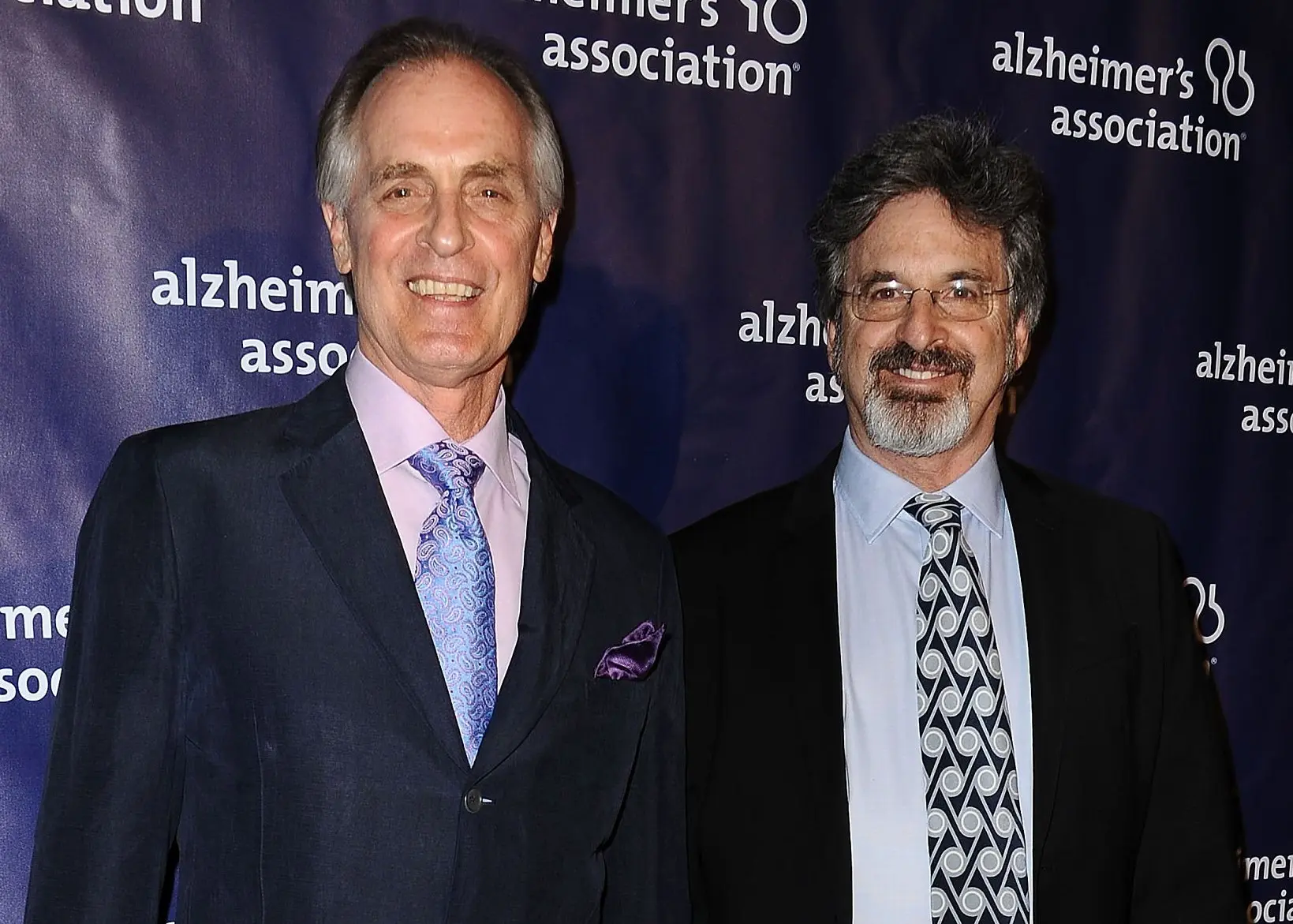
In our initial investigation, Robert Carradine: From a Simple Suicide to a Planned Murder? , we scrutinized the family’s swift claim of suicide and weighed it against the darker theories of professional deadlock and historical parallels. We questioned whether the narrative provided by the Carradine estate was a veil for a more sinister truth.
Today, that veil has been stripped away—not by speculation, but by the cold, clinical reality of a police report. The latest findings from the LAPD do more than just debunk the family's "brave battle" narrative; they reveal a staggering truth: the family had so little contact with Robert that they couldn't possibly have known the circumstances of his death. What follows is a forensic autopsy of a systematic isolation that proves the ultimate cause of death wasn't just a clinical diagnosis, but a total vacuum of responsibility.
Anatomy of a Deadly Isolation: The Timeline of a Collapse
Contrary to the "sudden tragedy" narrative the family is attempting to project, the evidence suggests that Robert Carradine was systematically erased from the radar of those closest to him through a gradual process. A meticulous examination of the timeline reveals a profound gulf between the claims of him being "beloved" and the reality of his abandonment:
- Phase I: Radio Silence (Mid-January 2026): Connie Lamothe, director of The Driver, confirms that Robert entered a stage of "total disconnection" starting in mid-January. While alarm bells were ringing for the production team, absolute silence reigned on the family front.
- Phase II: Absence from Final Briefings (Week ending Feb 18): According to the director’s precise account, Robert was scheduled for critical "table reads" the week prior to February 23. Not a single family member reached out to him during this pivotal week.
- Phase III: Death in Isolation (Approx. Feb 18–19): The official LAPD statement on March 2 provided the missing piece of the puzzle: an "unattended death." Robert lay dead and alone in his home for at least five days before being discovered.
- Phase IV: Discovery by a "Stranger" (Feb 23): The body was discovered not by his children or brothers, but at the request of a "third party" (the film’s production staff) after a welfare check.
Rhetoric in the Service of Exoneration: The Family’s Preemptive Strike
The Carradine family statement reads less like a moving eulogy and more like a "preemptive strike" for public relations management. Using diplomatic wordplay, they attempted to wrap a bitter truth in a sacred shroud:
- Fatalism Masked as a "Brave Battle": By heroizing Robert at the moment of his death, the family is, in fact, "normalizing" their own failure to provide care.
- Moral Profiteering with Counterfeit Coin: The March 3 police report shattered this facade: no suicide note or weapon was found at the scene.
Misjudgment: The Real Accused is in the Mirror
The statement claims their goal is to "dispel the misjudgments surrounding this illness." But one must ask: what misjudgment did the public hold that required such an urgent correction? In reality, the greatest "failure of judgment" belongs to the family. By abandoning a man into total isolation, they effectively pushed him toward destruction.
The Diagnostic Puzzle: Labeling or Character Assassination?
The sudden attribution of "bipolar disorder" to Robert, without providing clinical documentation, can be viewed as "post-mortem character assassination."
- A Diagnosis of Convenience: Colleagues never reported behavioral markers of bipolar disorder; they spoke only of "silence and withdrawal."
- The Final Toxicological Shot: If the final autopsy shows no trace of related medications, it will prove the family used this illness merely as a "justifying stigma."
Conclusion: The Necessity of an Apology for a "Systematic Deception"
The tragedy of Robert Carradine has shifted from a police case to a "moral scandal" for his survivors. Based on official LAPD reports, we are faced with an undeniable truth: the family that claimed "candor" had zero knowledge of the timing, manner, or true cause of death at the moment they issued their statement.
The Final Verdict: The Carradine family owes the public a formal apology—not for Robert’s death, but for "insulting the public’s intelligence" and "strategic lying." Robert Carradine was victimized twice: once by the isolation in which his family abandoned him, and a second time by a statement that used his body as a bridge to reclaim their own moral standing.