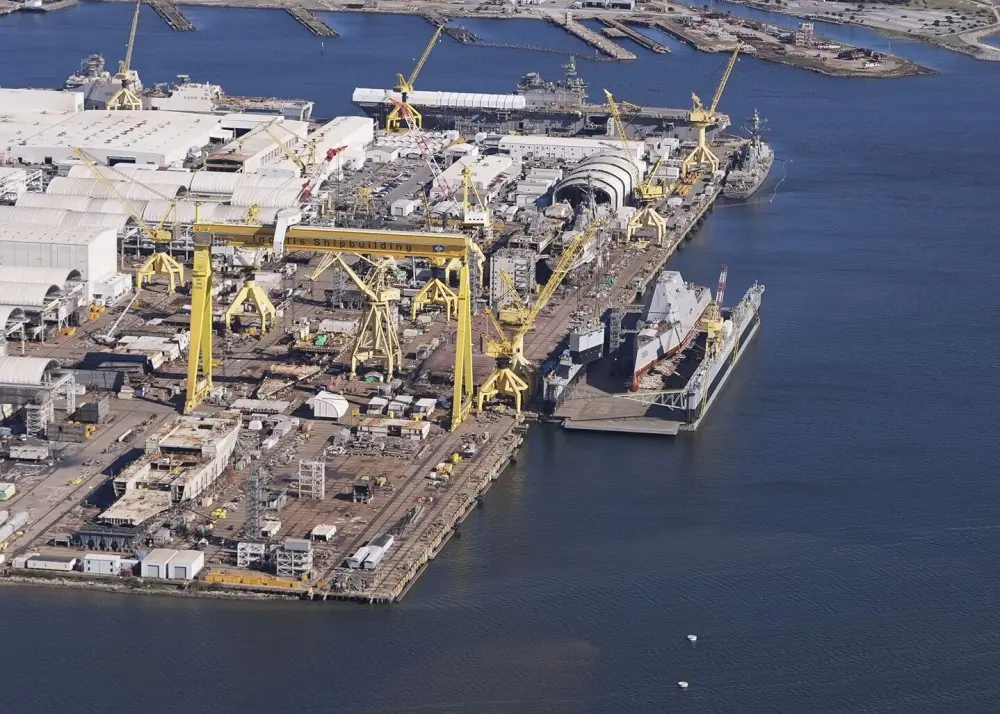
PASCAGOULA, MISSISSIPPI — Along the sluggish waters of the Pascagoula River, where the marsh meets the Gulf, the horizon belongs to the cranes. This is Ingalls Shipbuilding. To a stranger, it's a massive industrial complex; to us in Mississippi, it's an 85-year-old institution where steel and sweat have sustained generations of families.
As we move through 2026, Ingalls remains the largest manufacturing employer in the state. Its role isn't just local; it is a critical gear in the United States' maritime strategy, turning out the vessels that keep the sea lanes open.
A Foundation of Iron and Innovation
The story here started in 1938, but the Ingalls we see today — now a division of Huntington Ingalls Industries (HII) — is a high-tech powerhouse. Covering some 800 acres, the Pascagoula yard is home to over 11,000 workers. It's a place that made its name by being the first to swap rivets for all-welded hulls, and that spirit of doing things differently still lingers in the salty air.
The 2026 Fleet: What's on the Ways
The Pascagoula shipyard is currently a hive of activity, with several major classes of ships under construction simultaneously:
- Arleigh Burke-class (DDG 51) Destroyers: The workhorse of the Navy. These ships, built right here in Pascagoula, are the front line of American defense.
- Amphibious Assault Ships: Large-deck vessels like the San Antonio and America classes, designed to carry Marines and the F-35 Lightning II to wherever they're needed.
- National Security Cutters: The pride of the Coast Guard, built to endure the roughest seas while protecting our borders.
The Digital Shift
Shipbuilding has always been a gritty business, but the 2026 version involves as much code as it does carbon steel. The Pascagoula yard has integrated Physical AI and automated welding units to handle the heavy lifting, allowing for precision that was once impossible. Management often notes that they are "building ships with data" now, using complex 3D simulations to catch errors long before a torch is ever lit.
The Workforce Challenge: A New Deal for Mississippi
The biggest story at the Pascagoula yard this year isn't a ship launch, but the people. With a wave of retirements hitting and a need for 3,000 new hands, Ingalls made a significant move in February 2026. A historic contract was signed, boosting technical wages by 18%. It's a "wage renaissance" aimed at keeping our local talent right here in Mississippi rather than losing them to the tech hubs or the oil fields.
The Apprentice School has also stepped up, functioning more like a technical college where young folks can earn a paycheck while they learn the intricacies of marine electronics and metallurgy.
Looking Toward the Horizon
With a $9.6 billion contract recently secured for the next generation of destroyers (DDG(X)), the future of Pascagoula looks stable well into the 2030s. In an uncertain world, the rhythmic thrum of the shipyard serves as a reminder that Mississippi's industrial backbone is as strong as ever.
Employment Guide: Joining the Ingalls Workforce in Pascagoula in 2026
For those looking to trade a desk job for a career in steel, March 2026 marks one of the most active hiring windows in recent memory at the Pascagoula shipyard.
1. Current High-Priority Roles
The HII career portal currently lists over 500 openings for the Pascagoula site. The most urgent needs are:
- Trades: Industrial Pipefitters, Welders, Shipboard Electricians, and Mechanics. Starting pay for these roles now ranges from $25 to $32 per hour for entry-level positions.
- Technical & Engineering: Marine Engineers, AI/ML specialists, and Structural Designers.
2. 2026 Benefits & Incentives
- Wage Increases: New union-backed pay scales designed to offset the rising cost of living.
- Healthcare: Access to exclusive, on-site health and wellness clinics for employees and their dependents.
- Sign-on Bonuses: Select critical roles are currently offering bonuses up to $10,000.
3. The Apprentice School: Earn While You Learn
- The Deal: You are hired as a full-time employee from day one. You work four days a week and spend one day in the classroom.
- The Goal: You graduate as a journeyman with 30 college credits that can be applied toward an associate or bachelor's degree.
- Requirements: Must be at least 18, have a high school diploma, and hold U.S. Citizenship due to the sensitive nature of defense contracts.
4. What to Expect During the Process
- Rigorous Background Checks: Standard for any federal defense contractor.
- Drug Screening: Includes hair-follicle testing.
- Physical Demands: You've got to be able to handle the heat, the heights, and the physical nature of a working shipyard.